Everyday Mathematics
From A Mission to Improve School Mathematics of Everyday
Mathematics:
Everyday Mathematics was developed by the University of Chicago
School Mathematics Project (UCSMP) in order to enable children
in elementary grades to learn more mathematical content and
become life-long mathematical thinkers.
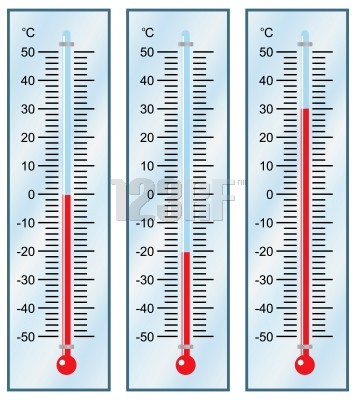
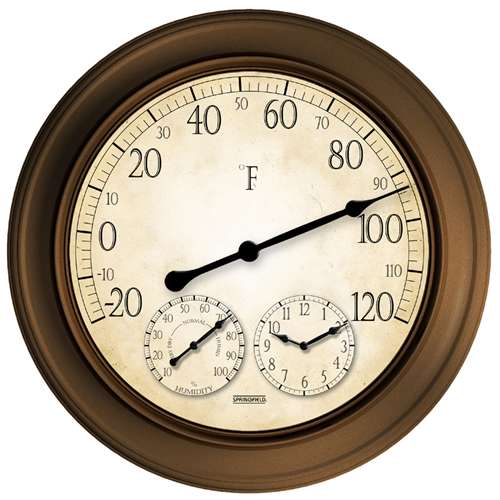
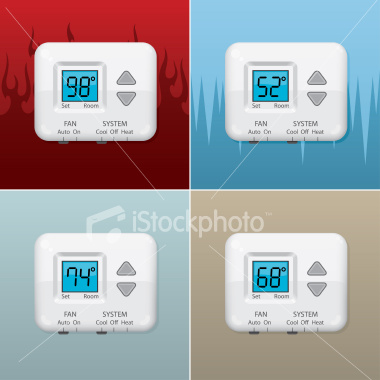
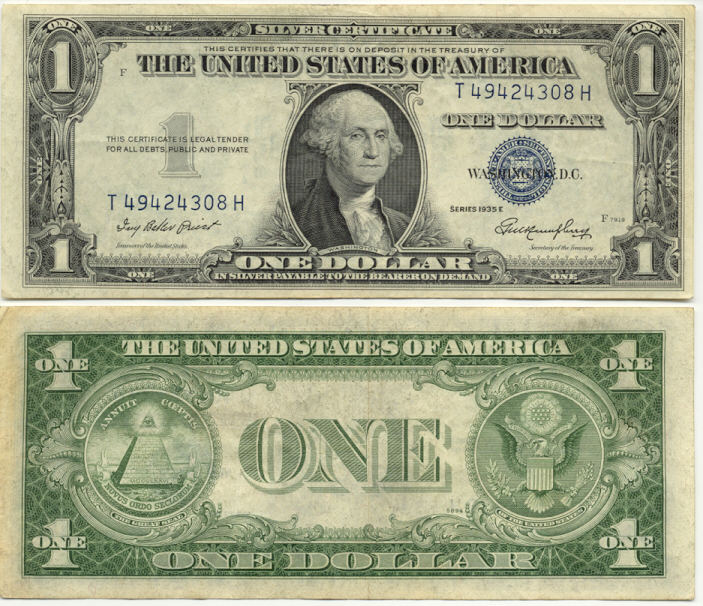
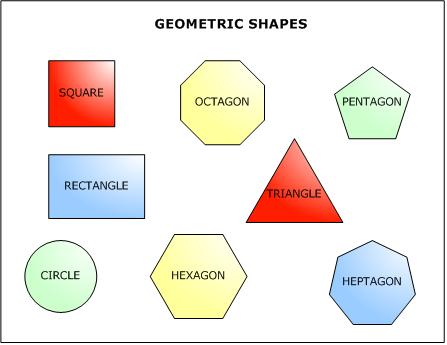
 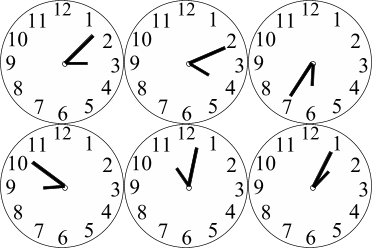 | My students love Math. They have enjoyed learning to tell time, read temperatures, use money, weigh and measure different objects in the classroom, draw geometric shapes, do addition and subtraction. We even learn fractions, multiplication and division towards the end of the school year. Different math skills and concepts are repeated through out the program to reinforce their |
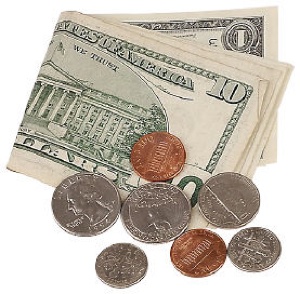
| learning. Another special feature of Everyday Math is that it encourages students to play math games which helps strengthen their computational skills and reinforce the math concepts they have learned. My students like to play math games. They especially like the activity in which they use "fake" money to buy "real" candy! They even receive change for the money they pay. The money is fake, but the candy is real, which they get to keep. All these and many more are covered in 2 volumes of Second Grade Everyday Math which emphasize the following content strands, skills, and concepts: * Number and Numeration * Operations and Computations * Data and Chance * Measurement and Reference Frames * Geometry * Patterns, Functions, and Algebra
Volume 1
Unit 1: Numbers and Routine
Unit 2: Addition and Subtraction Facts
Unit 3: Place Value, Money, and Time
Unit 4: Addition and Subtraction
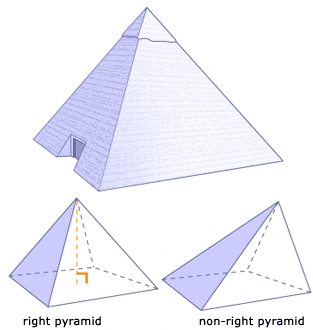
Unit 5: 3-D and 2-D Shapes
Unit 6: Whole-Number Operations and Number Stories
Volume 2
Unit 7: Patterns and Rules
Unit 8: Fractions
Unit 9: Measurement |


| Unit 10: Decimals and Place Values
Unit 11: Whole-Number Operations Revisited
Unit 12: Year-End Reviews and Extensions |
|
 |
Learn about Albrecht Durer's magic square in the above pps! |

Image taken from the internet
